
Understanding Anxiety in Children

What anxiety can look like at school, what families may notice at home, and when it is time to ask for help.

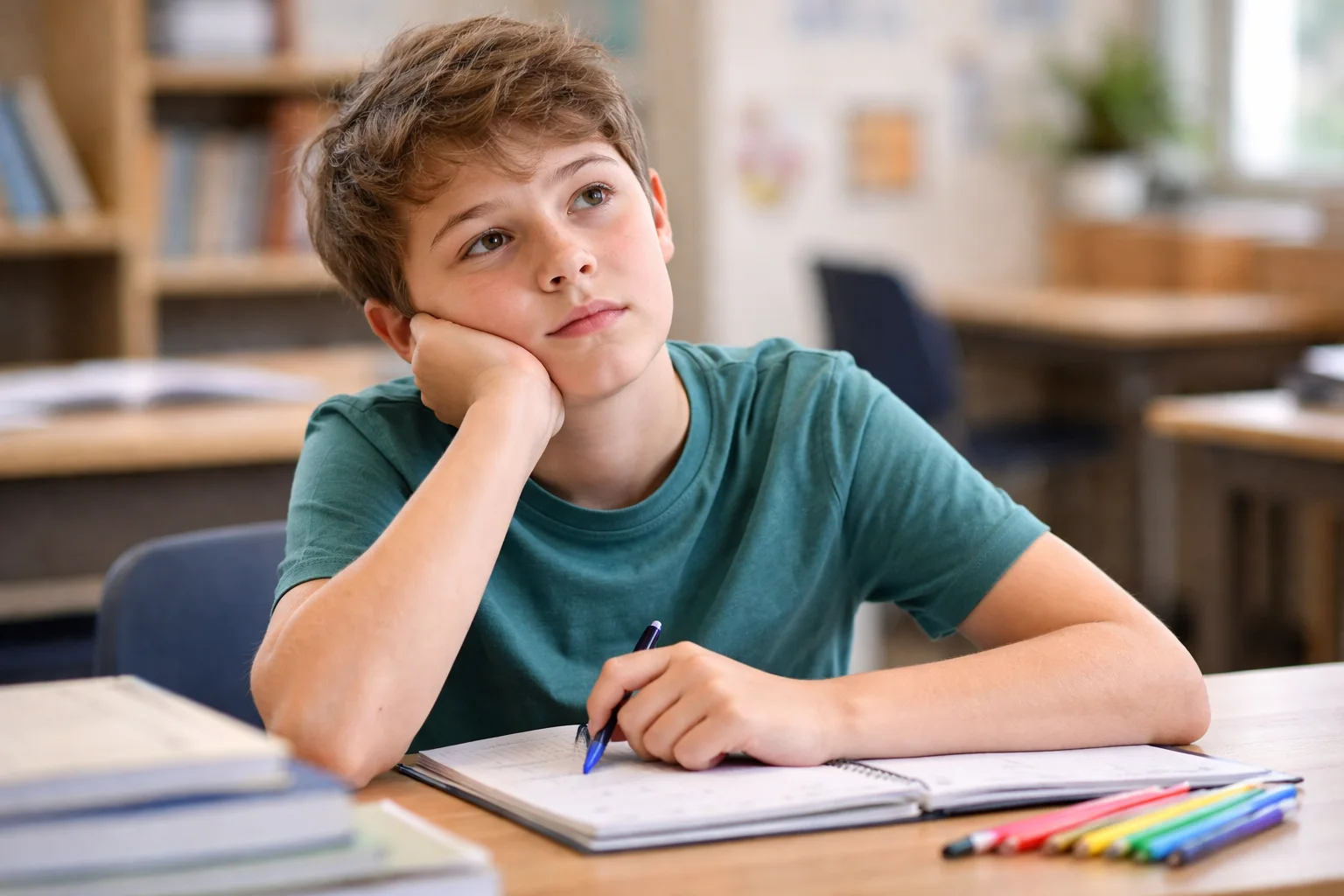
A student pausing over schoolwork in a classroom
Notice patterns, not isolated moments

From our school counselor · January 2026 PTSA meeting

“Anxiety is normal. It is our body’s natural alarm system.”

Every person experiences anxiety. The question is whether it begins to interfere with a child’s learning, friendships, or functioning at home.

That is when it is time to ask for help.

Family learning guide

Recognize the pattern, then respond

Anxiety does not always look the way families expect.

What we see in the classroom

What it looks likeWhat may be happening
Difficulty concentratingTheir mind is stuck on “what if” worries instead of the lesson
AvoidanceNot wanting to attend school, PE, or events
Frequent nurse visitsReal stomach aches or headaches caused by stress
PerfectionismA paralyzing, often self-imposed fear of making mistakes
Emotional shiftsSudden outbursts or very quiet withdrawal—either very high or very low

Signs to watch for

Physical and emotional cues that a child may be struggling.

Physical signs
Headaches, stomach aches, fatigue, trouble sleeping, feeling sick often, or a racing heartbeat.
Emotional signs
Excessive worry, irritability, clinging to parents, separation anxiety, or fear of leaving home.
Behavioral signs
Avoiding activities they used to enjoy, refusing school, or frequent crying and meltdowns.
Negative self-talk
“I’m not good enough.” “I can’t do anything right.” “I’m not perfect.” These can be especially clear signals.

Why is anxiety increasing?

There is no single cause, but several factors can contribute.

  • Too little sleep. Insufficient rest compounds other challenges.
  • Improper nutrition. Skipping meals or eating poorly can affect mood and resilience.
  • Less time in nature. Many children spend very little time outdoors.
  • Over-scheduling. Too many activities and too much homework leave little downtime.
  • Technology overload. Screen time has increased dramatically since COVID, and reducing device dependence can be difficult.

Strategies by age group

What works for a kindergartner differs from what works for a teenager.

Elementary (K–5)

Common: Separation anxiety, fear of new situations, and frequent meltdowns.

Deep breathing with visuals
Try rainbow breathing, box breathing, or “smell a cookie, blow out a candle.”
Drawing or coloring feelings
Give children a way to express what they cannot put into words yet.
Predictable routines
Children with anxiety often do better when they know what is coming next.

Middle school

Common: Self-consciousness, school avoidance, and high irritability.

Mindfulness and journaling
Writing, sketching, or art can help students process what they feel.
Break tasks into smaller steps
Try 20 minutes of homework, a snack break, then another 20 minutes.
Encourage problem solving
Name the problem and work through how to handle it together.

High school

Common: Academic pressure, social anxiety, and burnout from busy schedules.

Time-management tools
Use planners, to-do lists, and prioritization.
Physical activity
Exercise can help release built-up tension and anxiety.
Trusted adults
Make space to talk with a parent, counselor, coach, or another trusted adult.

What you can do as a parent

You are your child’s advocate, coach, and safe place.

Listen without judgment
Let them talk without immediately jumping to solutions. Sometimes they need to feel heard.
Validate their feelings
Say “I understand this is hard.” Their fear feels real; acknowledge it.
Do not minimize worries
“Everything will be fine” can make a child feel dismissed. Meet them where they are.
Work with the school
Let the counselor and teachers know what is happening so the school can support your child.

When to seek additional support

These are signs that it is time to contact a counselor or pediatrician.

Red flagWhat to look for
DurationAnxiety persists for several weeks or months without relief
InterferenceIt affects their ability to attend school or social events
Mood changesSignificant changes in mood, sleep, or appetite
Physical complaintsChronic headaches or stomach aches without a medical cause

General solutions

  • Prioritize downtime. Make room for unscheduled, non-screen time to create and decompress.
  • Choose active play. Swap passive entertainment for physical activity when possible.
  • Spend time together. Ten to sixty minutes of play and connection can go a long way.
  • Slow things down. Change the environment to support regulation.
  • Focus on sleep and healthy food. Everything is harder when children are tired and hungry.
  • Keep predictable routines. Routines provide security and a sense of control.
McPherson school nurse Mrs. Townsend surrounded by district colleagues at her Nurse of the Year recognition

Care at McPherson

Recognizing the people who support student well-being

McPherson’s health and wellness resources are strengthened by staff members who notice when students need support and help families find the right next step.

See the Nurse of the Year recognition

You are their advocate

Support can start with one conversation.

If your child cannot yet speak up for themselves, reach out to the school counselor, your pediatrician, or both.

Anxiety is manageable. With understanding, support, and healthy coping skills, children can thrive.